
A bankruptcy default judgment can occur when you have filed for bankruptcy, and another adversarial proceeding is taking place. If you do not respond in time to the plaintiff’s complaint in the adversarial proceeding, you may be subject to a default judgment in that proceeding. In this situation, the federal bankruptcy court may allow a bankruptcy default judgment against you.
Understanding what a default judgment in bankruptcy means is important because the consequences can negatively affect your personal finances, credit, and your ability to protect your assets.
At Stone Rose Law, our experienced bankruptcy attorneys represent Arizona residents in debt relief cases, including Chapter 7 and Chapter 13 bankruptcies. In this blog post, we discuss how default bankruptcy judgments work and what your options may be if you are facing one.
To learn more about your debt relief choices in Arizona, call Stone Rose Law at (480) 739-2448 or use our online contact form to schedule a free consultation.
How Does a Default Judgment Happen in a Bankruptcy Case?
Depending on circumstances, sometimes a bankruptcy petition may not be your only court experience when you are seeking bankruptcy relief from your creditors. You may encounter a situation in which a creditor or even the bankruptcy trustee may file a concurrent lawsuit against you. This is known as an adversary proceeding.
Examples of adversary proceedings include:
- A creditor files suit against you to declare its debt non-dischargeable in bankruptcy.
- A creditor or the bankruptcy trustee objects to your discharge in bankruptcy.
- The bankruptcy trustee sues you to recover money or property for the bankruptcy estate.
An adversary proceeding is like any other lawsuit against you in that the plaintiff prepares a complaint and court summons, then serves them on you. Once legal services on your behalf are complete, you have a limited period of time to file an answer to the complaint, raise an objection to the case, or appear in court.
If you do not reply to the adversary proceeding within the time limit, the plaintiff can file a motion with the court to award a bankruptcy default judgment against you.
In other words, when a defendant fails to respond to an adversary proceeding complaint within the required time, the plaintiff can ask the court for a ruling in its favor — without having to prove the underlying claims at trial. This is why it is critical to respond promptly to any court summons or legal notice you receive during your bankruptcy case.
A default judgment in an adversary proceeding is enforceable in the same way as any other legal judgment. The effect of a bankruptcy default judgment is that the judge in the adversary proceeding can grant the plaintiff the relief it seeks without the need to decide the case on the merits.
Examples of the consequences of a successful default judgment include:
- The court can award money damages against you.
- The court can declare a debt nondischargeable, which may allow the creditor to collect after the automatic stay terminates or the case concludes, subject to bankruptcy rules.
- The court may grant any other relief the plaintiff seeks in its complaint.
How Bankruptcy Default Judgments Work in Specific Bankruptcy Cases
Default judgments in adversary proceedings have many common elements, but a few differences depending on which chapter of bankruptcy law you file under.
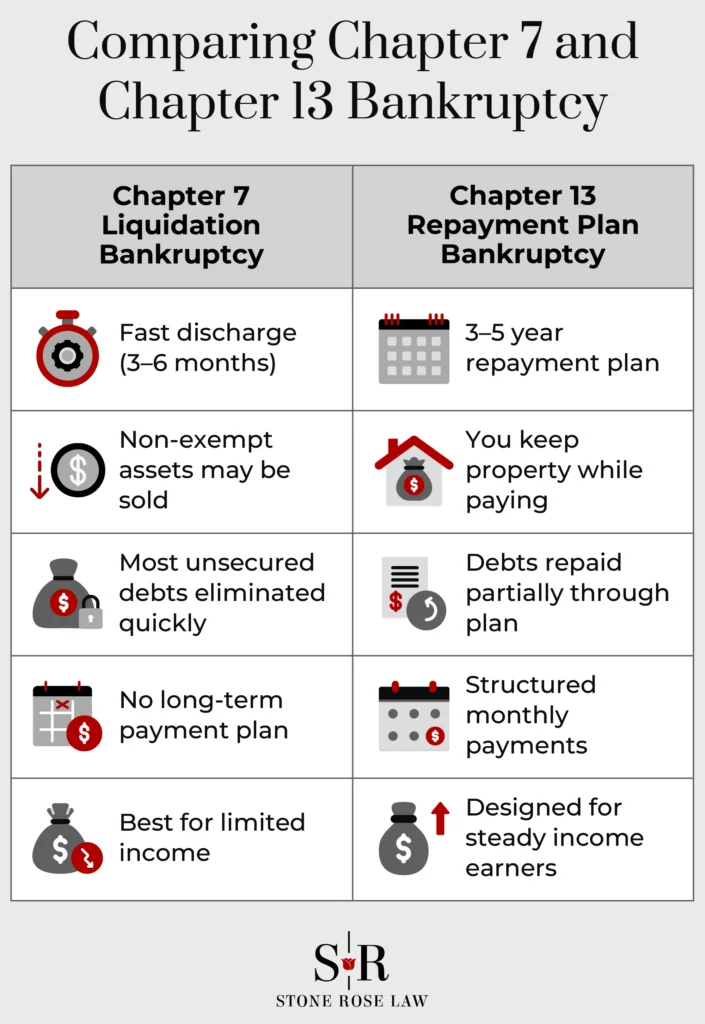
Chapter 7 Proceedings
The most common adversary proceedings in a Chapter 7 bankruptcy case are actions in which a creditor is challenging the discharge of a debt, or the bankruptcy trustee files a lawsuit to recover money or property for the bankruptcy estate, or a lawsuit challenging whether your case should be discharged at all.
Actions Challenging the Dischargeability of a Particular Debt
This is the most common adversary proceeding under Chapter 7. For example, if a creditor accuses you of fraud in connection with the debt, you owe that debt. If the creditor gets a bankruptcy default judgment against you, the debt will survive the Chapter 7 case, and the creditor can collect upon it after the bankruptcy court closes your case.
Trustee Recovery Actions
A Chapter 7 bankruptcy trustee may sue to recover preferential payments you have made, or property or money you have improperly or fraudulently transferred. The effect of a default judgment is to allow the trustee to recover the property.
Objection to Discharge Generally
If the bankruptcy trustee or a creditor objects to your overall discharge and wins a default judgment, you may lose your ability to have any of your debts discharged.
Chapter 13 Proceedings
Because Chapter 13 uses a debt-repayment plan instead of liquidation, as Chapter 7 does, there are differences in how adversary proceedings and default judgments work. Some examples of adversary proceedings in connection with a Chapter 13 bankruptcy are:
- Actions to decide whether a debt is dischargeable
- Actions to decide the validity, priority, or extent of a lien on property
- Actions to recover money or property
- An action to revoke a confirmed Chapter 13 plan based on fraud and filed within 180 days of confirmation
- An action seeking an injunction or other court‑ordered relief
Here are some of the distinctions between Chapter 13 and Chapter 7 in specific default judgment situations.
Default Judgements Based on Non-Dischargeability
In these cases, instead of the debt being collectible after your discharge, depending on the type of nondischargeable debt and the terms of the confirmed plan, some or all of the debt may be paid through the plan, with any unpaid balance potentially surviving discharge.
Default Judgments and Liens
An adversary proceeding in bankruptcy to obtain a default judgment on a lien is sometimes used to validate a lien on your property or to determine priority among creditors.
Trustee or Creditor Recovery Actions
If the bankruptcy trustee sues to recover money or property and wins by default, the recovered property becomes part of the Chapter 13 bankruptcy estate. Money recovered in this way can be distributed to creditors through your payment plan.
Objections to Discharge Generally
If a default judgment denies or revokes your Chapter 13 discharge, you can still complete payment arrangements under the repayment plan, but all remaining eligible debts will survive the end of the bankruptcy case and can be collected upon.
Do Any Remedies Exist if You Are Subject to a Bankruptcy Default Judgment?
Generally, the remedy you can seek for a default judgment is to have the judgment set aside. You can try this in a Chapter 7 or a Chapter 13 case in which a bankruptcy default judgment exists against you.
- In a Chapter 7 case, the court that awarded the adversary proceeding default judgment may set aside the judgment if you can show that the plaintiff did not comply with certain requirements, like proper service of the complaint on you.
- Your best opportunity to have a Chapter 7 adversary proceeding default judgment set aside is while your bankruptcy case is still active. Once the bankruptcy court closes your case, it can be harder to have a default judgment set aside.
- In a Chapter 13 situation, you can attempt to have an adversary proceeding default judgment set aside based on you not being properly served with the summons and complaint, or excusable neglect on your part, or based on lack of jurisdiction of the adversary proceeding court over you or the subject matter of the complaint against you.
Set Asides Before Entry of Default Judgment
Under Federal Bankruptcy Rule 7055, if the adversary proceeding court has found you in default but it has not yet entered a default judgment, you can try to have the default set aside for good cause under Federal Rules of Civil Procedure 55(c).
In this case, the court will consider whether your default was willful, whether setting aside the default would prejudice the plaintiff, and whether you have a potentially meritorious defense against the creditor’s underlying claim.
Motion to Vacate a Default Judgment
If the adversary proceeding court has already entered judgment on the default, you may be able to seek to have the default judgment vacated under Bankruptcy Rule 9024 and Federal Rule of Civil Procedure 60(b).
You will need to prove any of the following valid reasons to the court to have a chance of success:
- The default is based on a mistake, inadvertence, surprise, or excusable neglect.
- You possess newly discovered evidence that could not have been found earlier.
- The default was obtained by the plaintiff through fraud, misrepresentation, or misconduct.
- The judgment is void.
- You have satisfied the judgment, or it has been released or reversed.
Challenging the Default Judgment as Being Void
You can challenge a default judgment based on lack of proper service, or lack of personal jurisdiction over you, or subject matter jurisdiction by the adversary proceeding court.
While void-judgment challenges under Rule 60(b)(4) are not subject to the one-year deadline that applies to other Rule 60(b) grounds, the Supreme Court ruled in January 2026 that such motions must still be filed within a “reasonable time” under Rule 60(c)(1). What constitutes a reasonable time will depend on the default judgment criteria and circumstances specific to your case.
Appealing the Default Judgment
A bankruptcy default judgment is a final order, but it can be appealed on grounds of lack of proper service on you, or whether the complaint against you stated a legally valid claim, or if the adversary proceeding court abused its discretion.
Do You Have Questions about Bankruptcy Default Judgments in Arizona?
Bankruptcy court default judgments can be complex to resolve. Your possible remedies will depend on the default judgment criteria specific to the adversary proceeding against you, and the timing of your available remedy options.
Our purpose in this blog post is to familiarize you with the subject of bankruptcy default judgments. We have not covered all the factors that go into how an adversary proceeding can result in a default judgment against you, or all the possible remedies that you might have.
If you are presently involved in a bankruptcy matter and are concerned about a possible bankruptcy default judgment, or if you are worried about the possibility of such a judgment being entered against you after you file for Chapter 7 or Chapter 13 bankruptcy in Arizona, a Stone Rose Law bankruptcy lawyer can answer your questions and give you legal guidance.
Call us at (480) 739-2448 or reach us online to set up a free initial consultation with a member of our bankruptcy legal team.
The post What is a Default Judgment in Bankruptcy? appeared first on Stone Rose Law.