
Diabetes is a major health problem in the United States. Over 38 million Americans suffer from diabetes. That is 11% of the population. 20% of those with diabetes have yet to be diagnosed and don’t even know they have the disease.
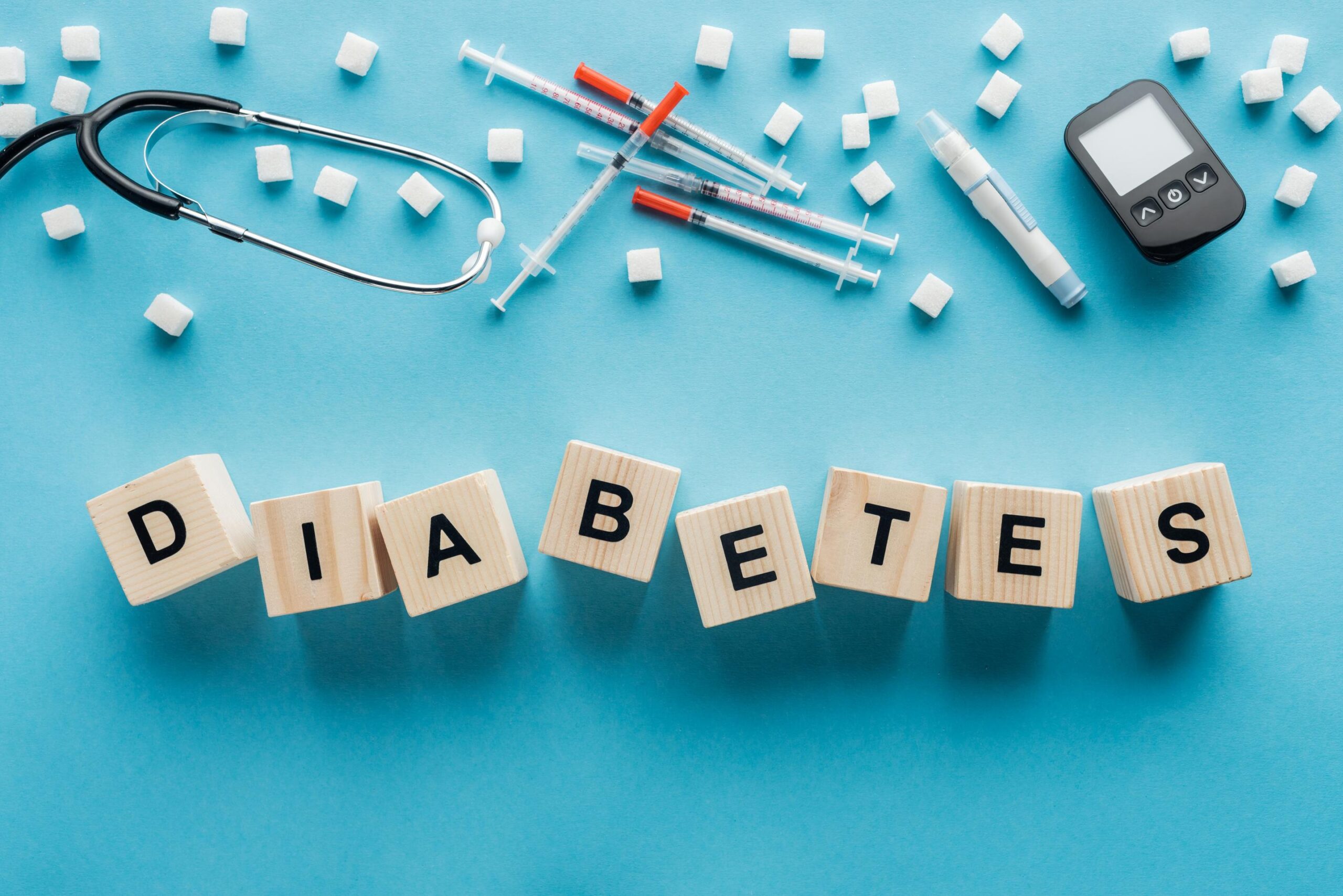
There are two types of diabetes with very different causes and very different courses. The first is Type 1 diabetes. Type 1 is an autoimmune disease in which the body’s immune system attacks the cells that make insulin. Insulin is the hormone that enables the body to convert food to energy. Without it, you die. Type 1 diabetics must receive insulin every day.
The second type of diabetes is Type 2. Type 2 diabetics still produce insulin but either not enough or their bodies don’t effectively use what they produce. They may have to receive supplemental insulin or a medication to help their body use the insulin they already have.
In the case of both types, failure to properly manage insulin needs results in abnormal levels of glucose in the blood. If blood sugar gets too high, it is called hyperglycemia. If too low, it is called hypoglycemia. When extreme, both hyperglycemia and hypoglycemia can kill you, although hypoglycemia is the more common cause of death due to diabetes. For a number of reasons, including illness, infection, inattention, exercise, and diet, blood glucose levels can get way out of the normal range.
In spite of the number of diabetics whom they may encounter in their practices, many doctors don’t know very much about diabetes or when to be concerned about it in their patients. I have had a number of cases over the years in which someone’s blood sugars got way out of normal range yet the doctor treating the patent did not recognize the danger, did not get the patient the help she or he needed, and the patient died as a result. Sometimes the doctor fails to recognize the signs of diabetes and fails to make the diagnosis or to send the patient to the emergency department where extremes of blood sugar can be safely addressed. Sometimes the doctor knows the patient has diabetes, but does not realize the patient is in danger or recognizes a danger, but does not know the proper methods of safely managing the disease. If you are a diabetic, you need a doctor who at least knows enough to know what she or he does not know and will promptly send you to the emergency department, if your condition requires more knowledge or resources than they have.
There are many factors that affect glucose levels in the blood that can make it difficult to keep the levels in the recommended range. The problem is made even more complicated by the fact that patients may not realize their blood glucose levels are dangerously high or low, unless they are closely monitoring them. Levels can change quickly and without warning.
If you are a diabetic, you are your own most important advocate. It is your body and your life. It is critically important that you be attentive to your blood glucose levels and keep them as close to the appropriate range as possible. Don’t allow yourself to get into a situation in which you are relying upon a doctor not trained in diabetes care to make important decisions about your blood glucose levels. This can be a fatal mistake.
If you are not a diabetic, you still need to listen to your body and seek medical attention, if you have any of the signs of high blood glucose levels. Some of the most common signs are increased thirst, increased urination, fatigue, and weight loss. You don’t want to be an unknown diabetic with dangerously high blood sugar levels. If you can at all avoid it, you don’t want to be in the hands of a doctor who himself or herself does not realize the dangers of uncontrolled blood sugar levels and how to address them.
If you do not wear an insulin pump, or even if you do, consider buying a bracelet or other form of wearable medical identification identify you as diabetic to health care providers or police or anyone else who may encounter you should you become unconscious due to extremely low blood sugar levels.
Diabetes is a dangerous disease and many people with it do not keep their blood glucose levels within the recommended range. Don’t be one of these people and your chances of being injured by an uninformed doctor will be reduced.
The post Diabetes: What Doctors Don’t Know Can Kill You first appeared on Sandweg & Ager PC.