
Article Summary
- Prioritize safety, call 911 when necessary, and obtain medical attention even if your injuries initially seem minor.
- Document the crash scene, exchange information, and provide accurate accounts without speculating about fault.
- Notify your insurer as required and consider speaking with an attorney before providing a recorded statement to another driver’s insurance company.
The first 24 hours after a car accident can be overwhelming. Between dealing with injuries, damaged vehicles, law enforcement, and insurance companies, it can be difficult to know what needs immediate attention.
Understanding what to do after a car accident in Phoenix can help protect your health and preserve important evidence if you later pursue compensation. The following steps explain what to prioritize, from the moments immediately after the collision through the rest of the day.
Call 911 and Make Sure Everyone Is Safe
Your first priority after a collision should be the safety of everyone involved. Check yourself and your passengers for injuries, and call 911 if anyone needs emergency assistance or the crash presents a danger.
If the vehicles can be moved safely and doing so is appropriate, get them out of active traffic. Otherwise, remain in a safe location and follow instructions from emergency responders. Avoid standing between damaged vehicles or near moving traffic.
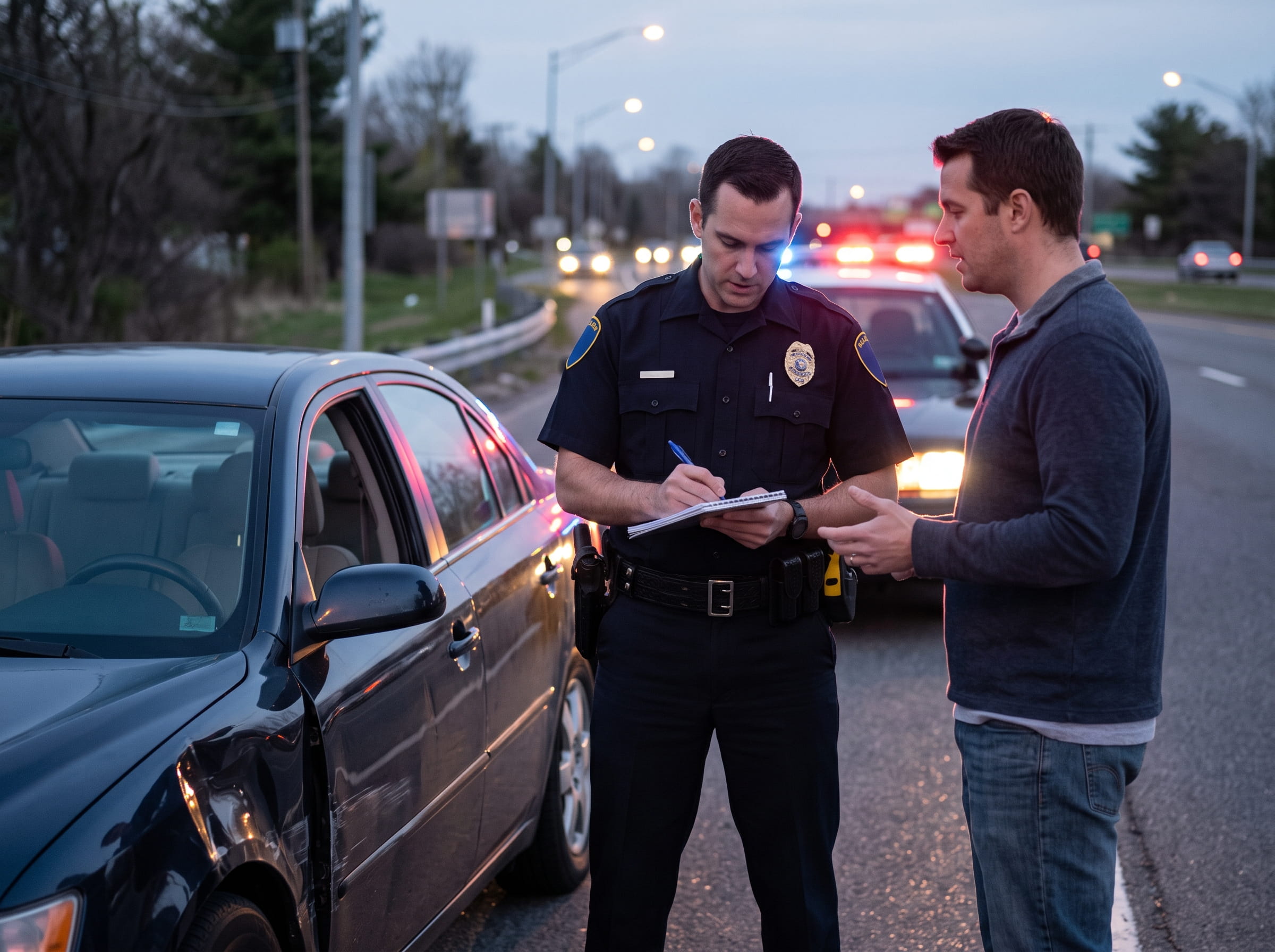
When police respond, they can document the scene, identify the drivers involved, interview witnesses, and record information about the collision. Their report may become valuable evidence in a car accident injury claim in Arizona.
Cooperate with responding officers and provide accurate information about what you observed. If you do not know an answer or cannot recall a detail, say so rather than guessing.
Gather Evidence Before Leaving the Scene
Arizona generally follows a fault-based system for motor vehicle injury claims, meaning the party responsible for causing a collision may be liable for the resulting damages. The evidence you preserve after a motor vehicle accident in Arizona can play an important role in establishing liability and supporting your injury claim.
If you are physically able and it is safe to do so, photograph or record:
- Vehicle damage, license plates, and the positions of the vehicles.
- Traffic signs, signals, lane markings, skid marks, and roadway debris.
- The surrounding intersection or roadway, weather conditions, and visible injuries.
Exchange contact and insurance information with the other drivers. If witnesses are present, ask for their names and contact details before they leave.
Photos and witness accounts can help establish what happened, especially when drivers later provide conflicting versions of events. Preserve the original files rather than relying exclusively on images shared through messaging apps.
Keep the police report number, towing invoices, repair estimates, and other relevant documents together. These records can help document property damage and support a potential injury claim.
Collecting evidence can be particularly challenging after a collision on a busy highway. Our guide to car crashes on Interstate 17 provides more information about the hazards drivers may encounter along that corridor.
Stick to the Facts When Discussing the Crash
After a collision, you may be asked to describe what happened by police officers, insurance representatives, or other drivers.
Provide truthful, factual information, but avoid speculating about speed, distances, visibility, or events you did not actually observe. Do not assume responsibility simply because you feel shaken or want to apologize.
For example, saying you are unsure whether another driver had a green light is more accurate than guessing. Similarly, you may not yet know whether you have sustained an injury.
Determining fault can require photographs, witness statements, vehicle damage assessments, and other evidence. An early assumption about responsibility may not reflect the full circumstances.
Seek Medical Attention as Soon as Possible
Medical care should be a priority during the first 24 hours after a car accident, even if you initially feel relatively well.
Adrenaline and the stress of a collision can make some symptoms less noticeable. Neck pain, headaches, back discomfort, dizziness, and other symptoms may develop or become more apparent hours or days later.
Some delayed car accident injuries require medical evaluation even when there is little visible damage to the vehicles. Numbness or tingling can also signal an injury that deserves attention. Learn more about tingling or numbness after a collision.
If you experience severe symptoms, seek emergency care. Otherwise, arrange an appropriate medical evaluation promptly, describe your symptoms accurately, and follow the treatment recommendations you receive.
Keep copies of your medical records, discharge instructions, prescriptions, and receipts. Track your symptoms, medical appointments, and any work you miss because of your injuries. This documentation can help establish the physical and financial consequences of the collision, particularly if an insurer later disputes the extent or cause of your injuries.
Our article on seeking medical care after a car accident provides more details about the importance of prompt treatment.
Notify Your Insurance Company Carefully
Once immediate safety and medical needs have been addressed, review your insurance policy and notify your insurer within the applicable reporting requirements.
When opening a car accident insurance claim, provide the basic facts you know, including the date, location, vehicles involved, and available police report information. Avoid speculating about injuries, fault, or the full extent of the damage.
You may also receive a call from the other driver’s insurance company. Its representative may request a recorded statement, ask you to describe your injuries, or offer an early settlement. Before providing a recorded statement or accepting an offer, consider consulting an attorney. You may not yet know the full extent of your injuries, future medical needs, or the circumstances surrounding the collision.
Keep copies of all insurance correspondence, including claim numbers, emails, settlement offers, and requests for additional information. Organized records can help prevent misunderstandings and make it easier to track how your claim is being handled.
Consider Speaking with a Phoenix Car Accident Lawyer
You do not necessarily need legal representation after every minor collision. However, an attorney may be particularly helpful when injuries are serious, liability is disputed, several vehicles are involved, or an insurer challenges your claim.
An experienced Arizona car accident lawyer can review available evidence, assess potential liability, communicate with insurance companies, and evaluate damages such as medical expenses, lost income, and pain and suffering.
Consulting a car accident lawyer early may also help preserve evidence that could otherwise disappear, including surveillance recordings and witness accounts.
Contact a Seasoned Phoenix Car Accident Lawyer
The decisions you make during the first 24 hours after a car accident can affect both your recovery and your ability to document a claim. Prioritizing safety, obtaining medical care, and preserving accurate information can put you in a stronger position as you consider your next steps.
If you were injured in a Phoenix collision, Torgenson Law can review your circumstances and explain your legal options. Explore the firm’s Arizona locations or contact Torgenson Law for a free consultation with a car accident lawyer in Arizona.
Frequently Asked Questions
Not every minor collision requires a 911 call. However, you should contact emergency services if someone is injured, the crash creates a traffic hazard, or immediate assistance is needed. Arizona also imposes reporting obligations in certain circumstances.
Some injuries become noticeable hours or days later. Seek medical attention promptly, even if you initially feel fine, and document any symptoms that develop.
You are generally not required to provide a recorded statement to the other driver’s insurer. Consider speaking with an attorney before agreeing, particularly if your injuries or the circumstances of the collision are still being evaluated.
Most Arizona personal injury lawsuits are subject to a two-year statute of limitations, but shorter deadlines and special rules may apply, particularly to claims involving public entities. Consulting an attorney promptly can help you identify the applicable deadline.
The post First 24 Hours After a Car Accident: What Phoenix Victims Should Do appeared first on Torgenson Law.